Building Customer Trust Through Thoughtful Design

Why Trust Matters in Web Design
Trust is the foundation of any customer relationship, and your website is often the first point of contact. Visitors make split-second judgments about your brand based on what they see, so a well-designed website conveys professionalism, reliability, and attention to detail. Conversely, a poorly designed site can instantly reduce confidence, even if the content and services are top-notch.
Humans are highly visual, forming opinions in as little as 50 milliseconds. Layout, colour scheme, typography, and imagery all play critical roles in shaping perception. Clear visual hierarchy, intuitive navigation, and legible fonts signal that your business is organised and trustworthy.
Design Elements That Inspire Confidence
Certain design elements have a proven impact on how users perceive trustworthiness. Consistent branding, including colours, logos, and typography, shows professionalism. Real photos of your team, products, or office create authenticity and transparency, while generic stock images can feel impersonal or staged.
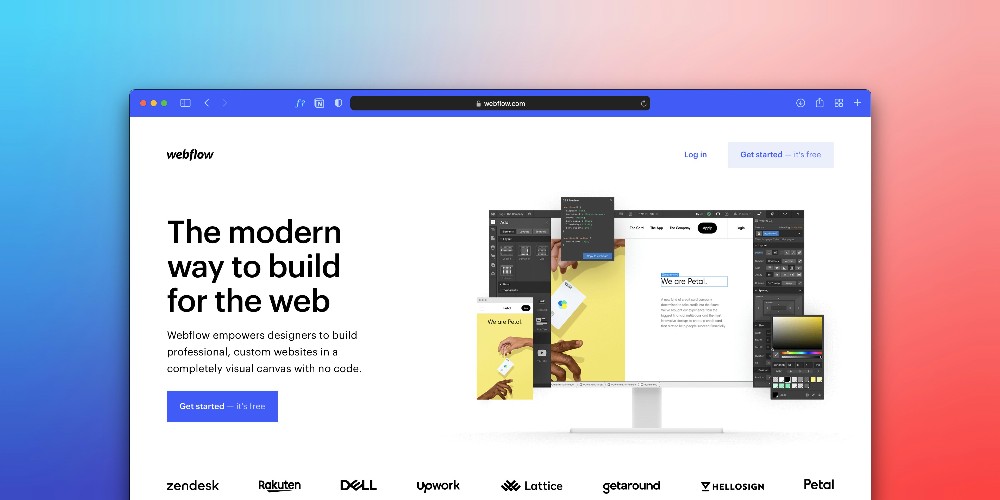
Navigation that’s intuitive, with menus easy to find and use, reduces frustration and increases confidence. Trust signals, such as certifications, client logos, and visible contact details, also reassure visitors that your business is reliable.
Transparency and Social Proof
Transparency plays a key role in trust-building. Displaying testimonials, reviews, and case studies demonstrates that other people trust your business, which encourages new visitors to feel confident engaging with you.
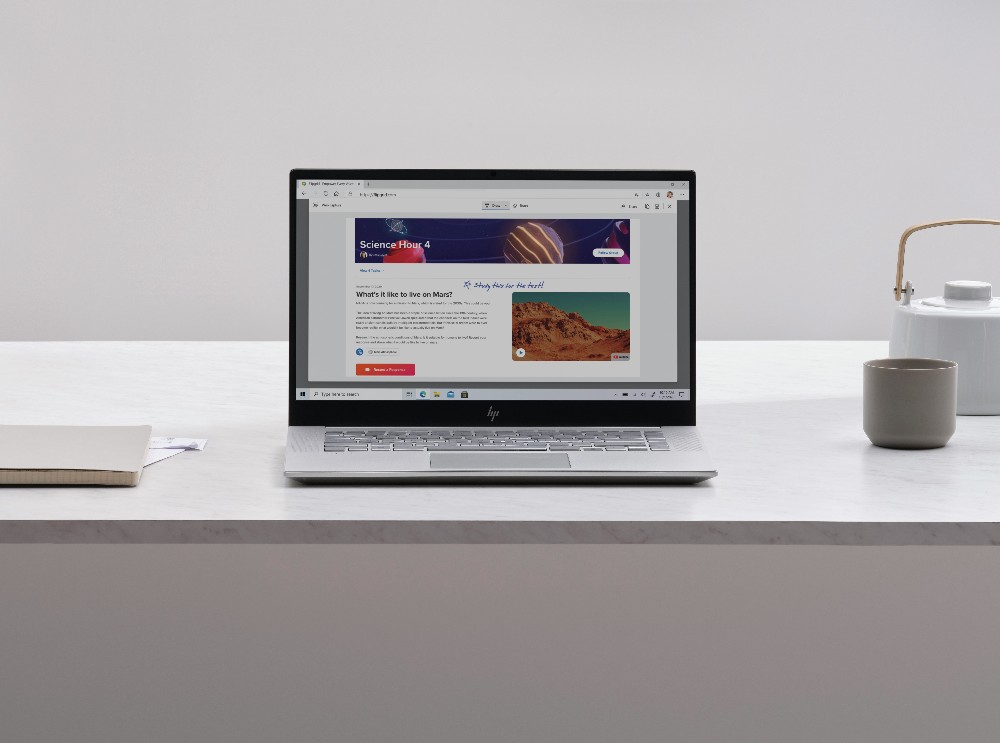
Accessibility of information is equally important. Clear contact options, privacy policies, and service details show honesty and reduce uncertainty. When users can quickly find what they need without guessing, trust naturally grows.
Consistency Across Devices
A consistent experience on all devices is essential. Responsive design ensures that your website works equally well on desktop, tablet, or mobile. Fast loading times, touch-friendly navigation, and layout consistency reinforce reliability and professionalism.
Small details matter too: matching fonts, colour schemes, and button styles across devices signals that your business cares about every visitor’s experience, not just the majority.
Accessibility as a Trust Factor
Accessibility is often overlooked but is a powerful trust-building tool. Websites that are usable by people with visual, auditory, or motor impairments demonstrate inclusivity and responsibility. Simple measures like alt text for images, clear headings, and sufficient colour contrast make the website approachable for everyone.
Real-World Examples
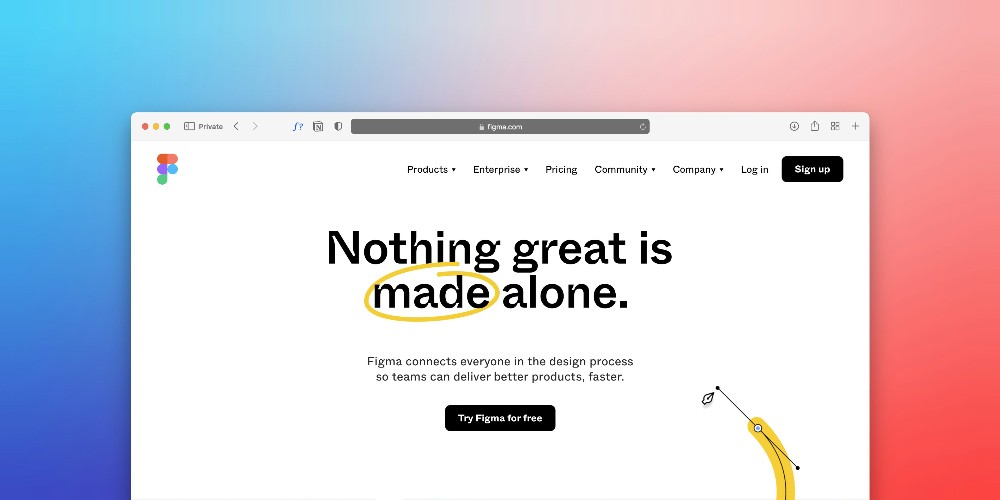
Top brands invest in trust-focused design because they understand its impact. Apple, Airbnb, and Slack use clean layouts, intuitive interfaces, and professional visuals to instantly communicate credibility. Small businesses can achieve similar results with careful attention to clarity, consistency, and transparency.
Even simple improvements—like reorganising content, using authentic imagery, and simplifying navigation—can significantly increase customer confidence and encourage engagement.
Conclusion
Thoughtful web design is a silent communicator of professionalism, reliability, and credibility. By focusing on clear layout, consistent branding, transparency, accessibility, and responsiveness, your website can build trust from the first interaction. When users trust your site, they are more likely to engage, convert, and return, forming long-lasting customer relationships.