Designing for Everyone: The Importance of Accessibility
Introduction
In today’s digital world, websites are more than just online brochures – they are essential tools for communication, information sharing, and commerce. With so many people relying on the web for daily tasks, it’s crucial that websites are designed to be inclusive. Accessibility in web design isn’t just about meeting legal requirements; it’s about creating digital experiences that work for everyone, regardless of ability.
What Do We Mean by Accessibility?
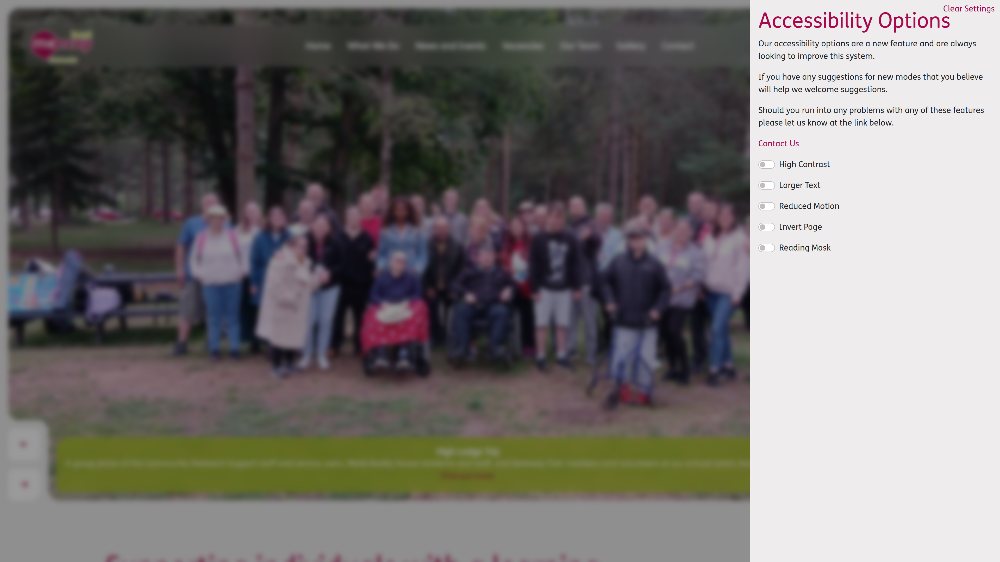
Accessibility in web design refers to making websites usable by as many people as possible, including those with disabilities. This covers a wide range of needs, from individuals with visual impairments and hearing loss, to those with motor difficulties or cognitive challenges. Simple steps like providing text alternatives for images, ensuring proper colour contrast, and using clear navigation can make a huge difference in how people interact with a site.
Why Accessibility Matters for Businesses
For businesses, accessibility is more than just an ethical consideration – it’s a practical one too. By making your website accessible, you open your services to a wider audience. In the UK alone, millions of people live with some form of disability, and excluding them through poor web design means missing out on potential customers. An accessible website also reflects positively on your brand, showing that you care about inclusivity and customer experience.
SEO Benefits of Accessible Design
Accessibility and search engine optimisation (SEO) go hand in hand. Search engines, much like screen readers, rely on structured content to understand web pages. Using proper heading tags, descriptive alt text, and clear link structures not only helps users with disabilities but also improves how your site is indexed. The result is a website that is easier to find, navigate, and engage with.
Legal and Ethical Responsibilities
In the UK, the Equality Act 2010 requires that businesses and organisations make reasonable adjustments so that services are accessible to everyone. Failing to provide an accessible website could leave businesses open to legal challenges. Beyond the legal obligations, however, there is a strong moral case for accessibility: everyone deserves equal access to information and opportunities online.
.png)
Practical Steps Towards Accessibility
Achieving accessibility doesn’t have to be overwhelming. Some straightforward measures include:
- Using descriptive alt text for all images
- Ensuring sufficient colour contrast between text and background
- Providing captions and transcripts for videos
- Structuring content with clear and consistent heading levels
- Designing forms that are easy to navigate and understand
Even small improvements can greatly enhance the user experience for people with disabilities, while also making the website more user-friendly for everyone.
Conclusion
Accessibility is not just an optional extra in web design; it is a fundamental part of building a website that truly serves its audience. By considering accessibility from the outset, you create a digital space that is welcoming, inclusive, and beneficial for all users. In doing so, you not only comply with regulations and improve SEO, but also demonstrate your commitment to equality and excellent user experience.